Managing Digital Collections at Scale: Lessons from the V&A
Museums have invested heavily in digitising collections over the past decade. As those collections grow, so does the challenge of managing the digital assets that sit behind them.
Images, media files, rights information and collection records all need to remain connected, accessible and easy to manage. For many organisations, the challenge is no longer creating digital content. It is ensuring that content can be found, trusted and shared effectively.
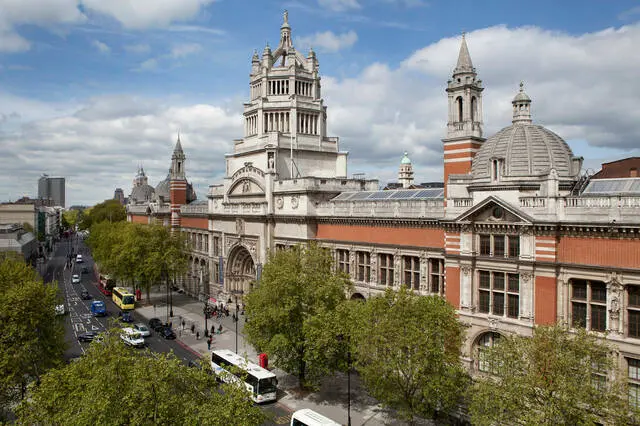
This was one of the challenges facing the Victoria and Albert Museum (V&A), one of the world's leading museums of art, design and performance.
The challenge
The V&A cares for more than 2.8 million objects spanning over 5,000 years of human creativity. Managing a collection of this scale requires more than simply storing digital files. Information needs to be organised, connected and accessible across the organisation.
The museum wanted to:
These are challenges shared by many museums, galleries and heritage organisations as digital collections continue to expand.
Why a single source of truth matters
When digital assets are stored across multiple locations and systems, maintaining consistency becomes increasingly difficult. Teams spend valuable time searching for assets, checking metadata or managing duplicate information. Over time, this creates unnecessary administration and makes it harder to ensure information remains accurate and accessible.
A single, central repository brings digital assets and collection information together in one place, creating greater visibility, improved governance and easier access to trusted information.
Building a connected digital collection
Working closely with the V&A, Aetopia implemented a Digital Asset Management (DAM) platform designed around the scale and complexity of the museum's collections. The objective was not simply to migrate content into a new system. It was to create a connected digital collections ecosystem where assets and collection information could work together.
The project included:
- Migration of approximately 1.4 million digital assets into a central repository
- Direct links between collection records and associated media
- Live two-way integration with the collections management system
- Automated asset ingestion and metadata creation
- Rights and permissions management across the collection
- Ongoing support and platform development
By connecting digital assets with collection information, the V&A established a trusted environment for managing and accessing content at scale.
Improving discoverability and access
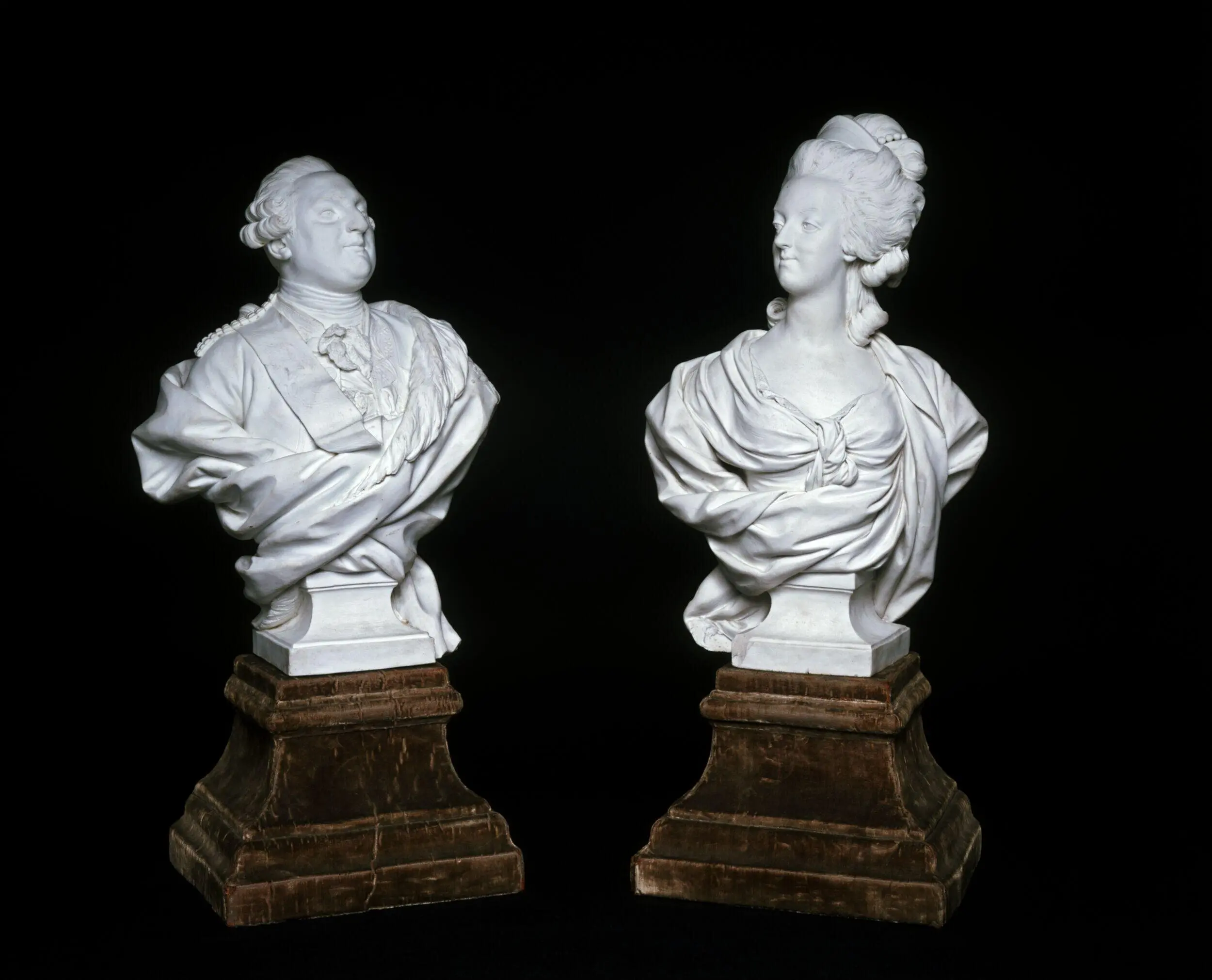
One of the most important outcomes of any collections management strategy is improving access to information. When metadata is accurate and assets are connected to collection records, content becomes easier to discover, manage and publish.
The V&A now delivers more than 1.2 million assets to its public collections website, extending access to audiences around the world.
Public access often depends on the work that happens behind the scenes. Strong metadata, connected systems and effective information management create the foundations that make collections more discoverable and useful.
Key lessons for museums
The V&A project highlights several considerations for organisations managing growing digital collections.
Start with the information, not the technology.
Technology is only effective when it supports a clear information management strategy. Understanding how assets, metadata and collection records relate to one another should come first.
Make systems work together.
The greatest value often comes from connecting systems rather than adding new ones. Integrations help reduce duplication and improve consistency across collections.
Invest in metadata quality.
Good metadata supports discovery, governance and long-term usability. It is one of the most important assets any collection holds.
Plan for growth.
Digital collections rarely stand still. Solutions should be designed to support future expansion without increasing complexity.
Looking ahead
As museums continue to digitise and share their collections, the ability to manage digital assets effectively will become increasingly important. The experience of the Victoria and Albert Museum demonstrates that successful collection management is about more than storage. It is about creating a connected environment where assets, metadata and collection information work together.
By establishing a single source of truth, improving metadata management and connecting systems across the organisation, the V&A has created a strong foundation for discovery, access and future growth.
For museums and heritage organisations facing similar challenges, the lesson is clear: as digital collections grow, connected information becomes just as important as the collections themselves.
Working on something like this?
Aetopia has spent more than 20 years helping national institutions, public bodies and enterprise teams put digital asset management to work. Tell us what you’re trying to do and we’ll get back to you within one business day.