What We Learned as a First-Time Exhibitor at the Museums + Heritage Show 2026
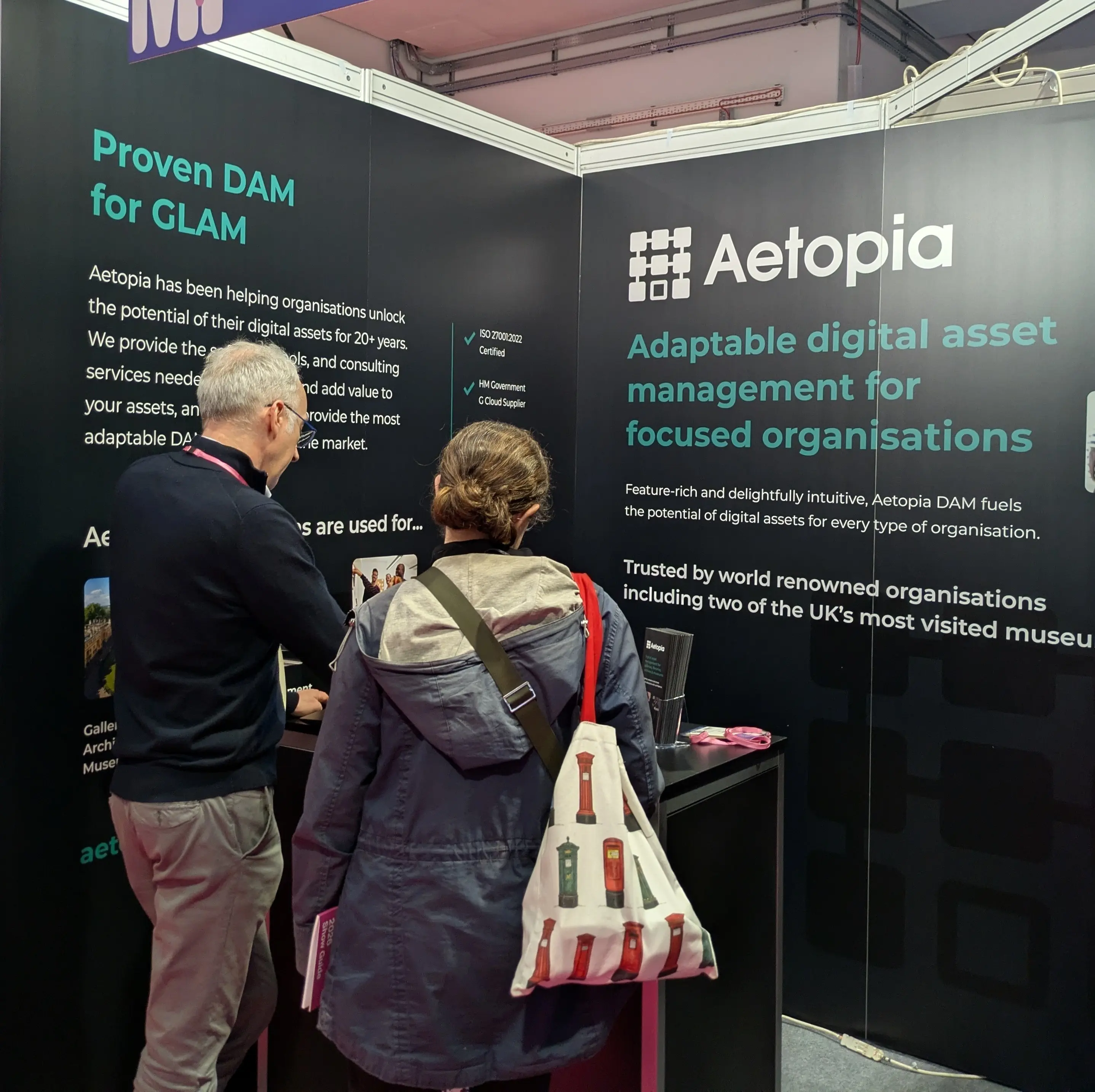
Attending the Museums + Heritage Show for the first time as an exhibitor gave us a clear view of where the sector is heading. More importantly, it showed us where the pressure points are today.
Three themes stood out across conversations, sessions, and the exhibition floor: growing expectations from audiences, increasing complexity behind the scenes, and a real need for better control over digital content.
The direction of the sector: more demand, less room for inefficiency
Museums and heritage organisations are dealing with a difficult balance.
- Rising audience expectations. Visitors now expect rich, digital-first experiences before, during, and after a visit. Content needs to be accessible, consistent, and engaging across multiple channels.
- Expanding digital estates. Collections are no longer confined to physical spaces. Teams are managing websites, apps, archives, marketing campaigns, and internal systems. Often at the same time.
- Resource constraints. Most organisations we spoke to are working with lean teams. Time, budget, and internal capacity remain tight.
The result is predictable. Content is being created at pace, but not always managed with the same discipline. Files get duplicated, versions become unclear, and valuable assets are hard to find when they're needed most. This is where the operational strain becomes visible.
A common challenge: content is everywhere, but control isn't
Across dozens of conversations, a consistent issue came through:
"We have what we need, we just can't find it or trust it."
Whether it was marketing teams trying to reuse campaign assets, curators managing digital collections, or external partners requesting materials, the same problems appeared:
Multiple versions of the same asset across shared drives
Lack of clarity on usage rights and licensing
Manual, time-consuming processes to locate and approve content
Difficulty sharing assets securely with partners
This isn't a technology gap alone. It's an operational issue that directly affects delivery timelines, audience experience, and risk management.
Where DAM fits and why it's now a priority
Digital Asset Management (DAM) came up in more conversations than expected, but often with mixed understanding. Some organisations see DAM as a storage solution. Others are exploring it as part of wider digital transformation. The reality sits somewhere in between.
A well-implemented DAM provides:
 A single, trusted source of content. Teams know where to go and what version to use.
Clear governance and rights management. Reducing risk around licensing and usage.
Faster access to assets. Supporting quicker campaign delivery and content reuse.
Better collaboration. Internally and with external partners.
Stronger return on existing content. Maximising the value of digitised collections and media.
A single, trusted source of content. Teams know where to go and what version to use.
Clear governance and rights management. Reducing risk around licensing and usage.
Faster access to assets. Supporting quicker campaign delivery and content reuse.
Better collaboration. Internally and with external partners.
Stronger return on existing content. Maximising the value of digitised collections and media.
The shift we're seeing is this: DAM is no longer a "nice to have" for large institutions. It's becoming essential infrastructure for any organisation managing digital content at scale.
How we're supporting the sector
Our role isn't to introduce more technology for the sake of it. It's to help organisations put structure around what they already have. From the conversations at the show, a few priorities are clear:
- Start with outcomes, not systems. Focus on the operational problems first: for example, reducing time spent searching for assets or improving campaign turnaround.
- Keep implementation grounded. Avoid large, disruptive programmes where possible. Phased approaches build confidence and deliver value early.
- Design for real users. DAM only works if curators, marketers, and external partners actually use it day to day.
- Build governance in from the start. Naming conventions, metadata, and permissions are not secondary; they are what make the system work.
- Integrate with the wider ecosystem. DAM should sit alongside CMS platforms, collection systems, and marketing tools, not in isolation.
A sector ready to move forward
The Museums + Heritage Show made one thing clear: the sector isn't standing still. There is a strong appetite to improve how digital content is managed, shared, and used.
What's changing now is the level of urgency. Organisations recognise that the way content is handled has a direct impact on:
Audience engagement
Operational efficiency
Risk and compliance
Commercial opportunities
DAM sits at the centre of this. Not as a standalone tool, but as part of a more structured, practical approach to managing digital assets.
For us, the event confirmed that the conversation has shifted. The focus is no longer on whether to act, but how to do it in a way that delivers results quickly and sustainably.
If this reflects challenges you are facing, we would be happy to have a conversation. No pressure, just a practical discussion about where you are today.
Get in touchRelated reading
- Why Digital Asset Management Matters for Museum and Heritage Organisations Today. The operational case for heritage teams.
- Why is DAM Critical for Heritage Organisations and Museums? The four core benefits.
- Aetopia for Heritage Organisations. Our dedicated solution page.
- Digital Collections Management. How Aetopia supports collections teams.
Working on something like this?
Aetopia has spent more than 20 years helping national institutions, public bodies and enterprise teams put digital asset management to work. Tell us what you’re trying to do and we’ll get back to you within one business day.