Why CCTV redaction breaks in transport operations and what actually fixes it
In transport, an incident does not really end when it happens. It begins a process that most teams know well. What looks straightforward on paper becomes something more demanding. Footage needs to be pulled from different cameras and systems, requests arrive from passengers, police, and insurers, and there is usually already a deadline in place under subject access rules.
At that point, the pressure builds quickly. Not because teams cannot access the footage, but because everything that comes after takes far more time and coordination than it should.
What actually happens after an incident
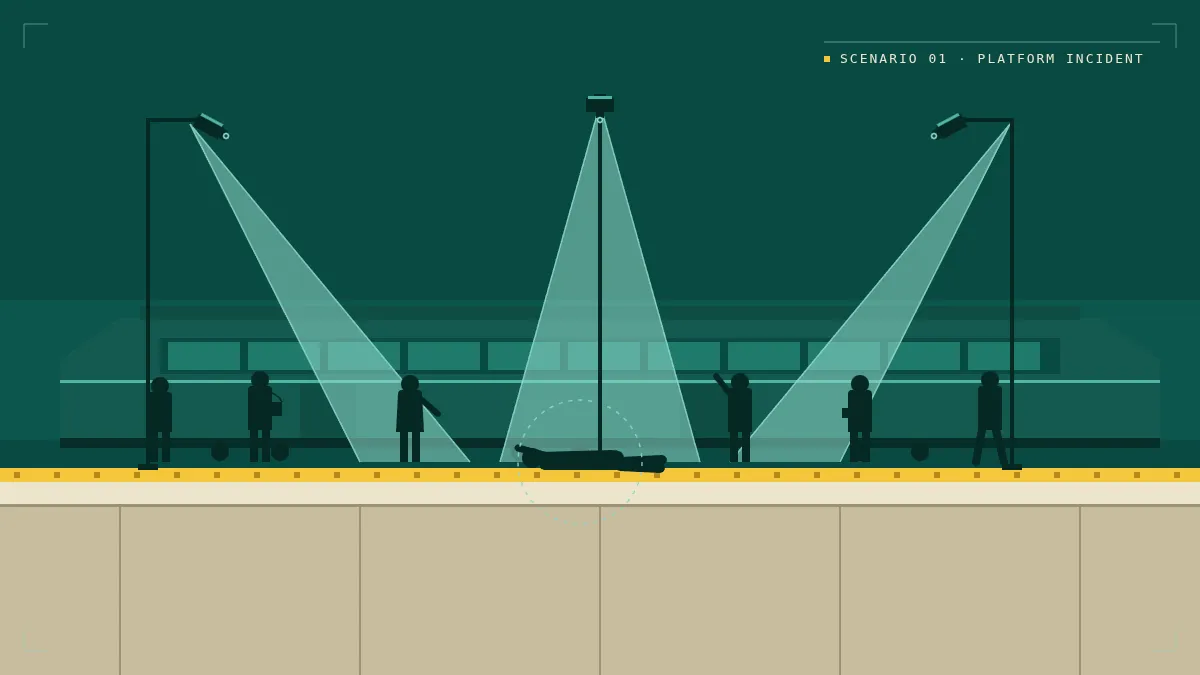
CCTV in transport is rarely centralised in a way that makes life easy. Footage sits across platforms, trains, stations, and depots, often managed through different systems that do not naturally communicate with each other.
Even a single incident typically results in multiple clips rather than one clean piece of footage. Those clips can come in different formats, at different resolutions, and with different levels of usability. Pulling them together is one task. Making sense of them is another.
Then the requests begin to move. What starts as a single request can quickly branch out: a passenger may ask for access, while a legal team needs a separate version, and internal stakeholders need something else again. Each version has slightly different requirements, and each one needs to be handled properly.
That is where the complexity builds. Not in theory, but in the everyday flow of work.
Where workflows begin to slow down
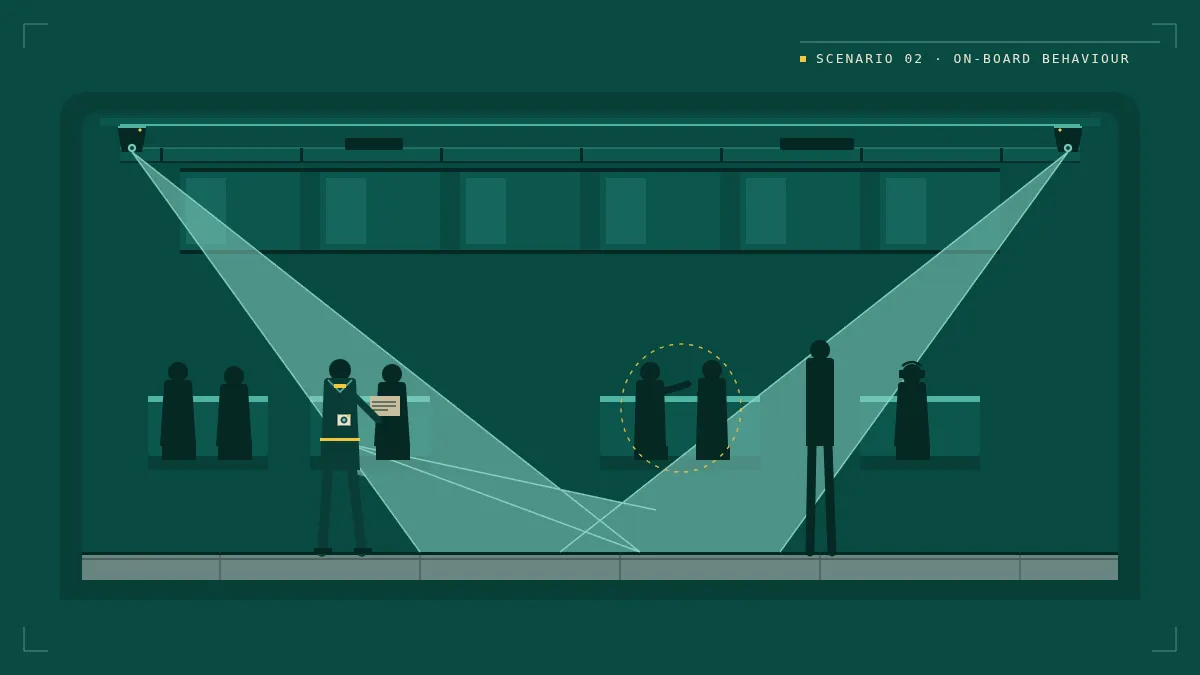
Most teams do not struggle with locating the footage. The real challenge begins once it has been found. There are four points where the process consistently runs into difficulty.
Fragmented process
Footage has to be gathered from different sources and pulled into some form of working set. There is rarely a single, consistent format, so time is spent just getting everything into a usable state before any review can begin.
Redaction
In many organisations, this is still a manual process. Someone has to go through the footage, identify faces, screens, or other identifying details, and apply redactions carefully. It is detailed work, and it does not scale well when volumes increase.
Repetition
The same clip often needs to be prepared multiple times for different audiences. One version might be suitable for a passenger, another required for legal disclosure, another used internally. Without a structured approach, teams repeat work that should only need doing once.
Tracking
As files move between people and teams, it becomes less clear which version is final, what has been redacted, and what has already been shared. At that point, the risk is no longer theoretical. It becomes part of the process itself.
Why this creates real operational risk
This is not simply a case of an inefficient workflow. It has direct consequences for how transport organisations operate.
Where the pressure lands
- Deadlines: Subject access requests come with clear expectations on timing, and manual, fragmented processes make it much harder to respond consistently within those windows.
- Consistency: When multiple versions of footage are created under pressure, discrepancies can appear. That creates confusion for recipients and additional work for the teams involved.
- Data exposure: Inconsistent or rushed redaction increases the chance that sensitive information is missed. That has both regulatory and reputational implications.
- Team capacity: Skilled staff spend large portions of their time on repetitive tasks rather than oversight, decision-making, or improvement. At scale, that is difficult to sustain.
The challenge is not the incident itself. It is what follows. Each event can trigger requests from multiple parties, and the same footage is often reused across those interactions with different expectations each time.
What changes when redaction is handled differently
Improving this process does not mean replacing it entirely. It means removing the points where work slows down or gets repeated.
- Manual, frame-by-frame redaction
- Team carries the full workload for every request
- Multiple versions created from scratch
- Progress tracked informally or not at all
- Risk of inconsistency grows with volume
- Automatic detection of faces, plates, and screens
- Team reviews and approves rather than carries out every step
- Outputs generated from a single master version
- Consistent audit trail of what has been shared and why
- Process becomes predictable regardless of volume
The role of the team changes. Rather than carrying out every step manually, they review, check, and approve what has already been identified. Control stays where it should be, but the workload is significantly reduced.
Underlying all of this is structure. When the workflow is consistent, it becomes much easier to track progress, manage versions, and maintain a clear record of what has been done and what has been shared. That is where reliability returns to the process.
What this looks like in practice
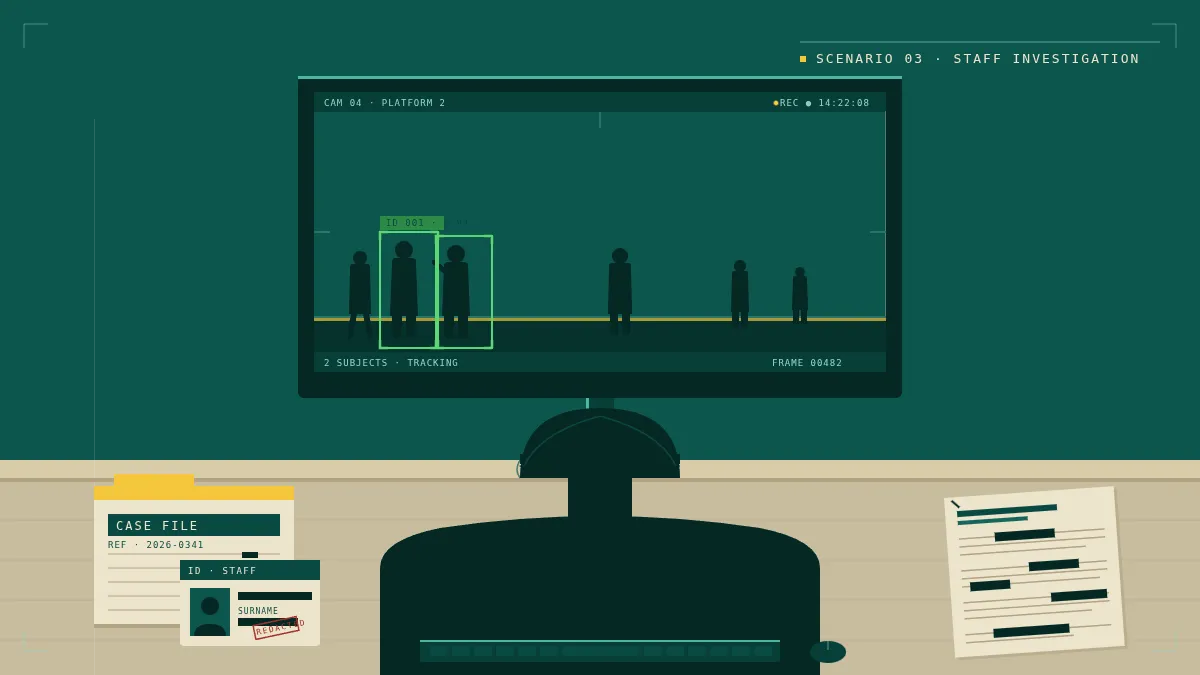
For transport operators, the impact is less about theory and more about day-to-day outcomes.
Turnaround times become shorter, making it easier to meet deadlines without last-minute pressure. The amount of manual effort required for each request reduces, freeing up time across the team. Outputs become more consistent, reducing the need for rework and follow-up.
Most importantly, the process becomes something teams can manage, rather than something they are constantly reacting to. That shift alone makes a noticeable difference.
From incident to disclosure, without the bottleneck
CCTV redaction is not the first step in responding to an incident, but it is often where delays begin to build. When that step improves, the effect is felt across the entire workflow.
For transport organisations handling large volumes of footage, the goal is not marginal improvement. It is creating a process that can handle demand without adding pressure each time something happens.
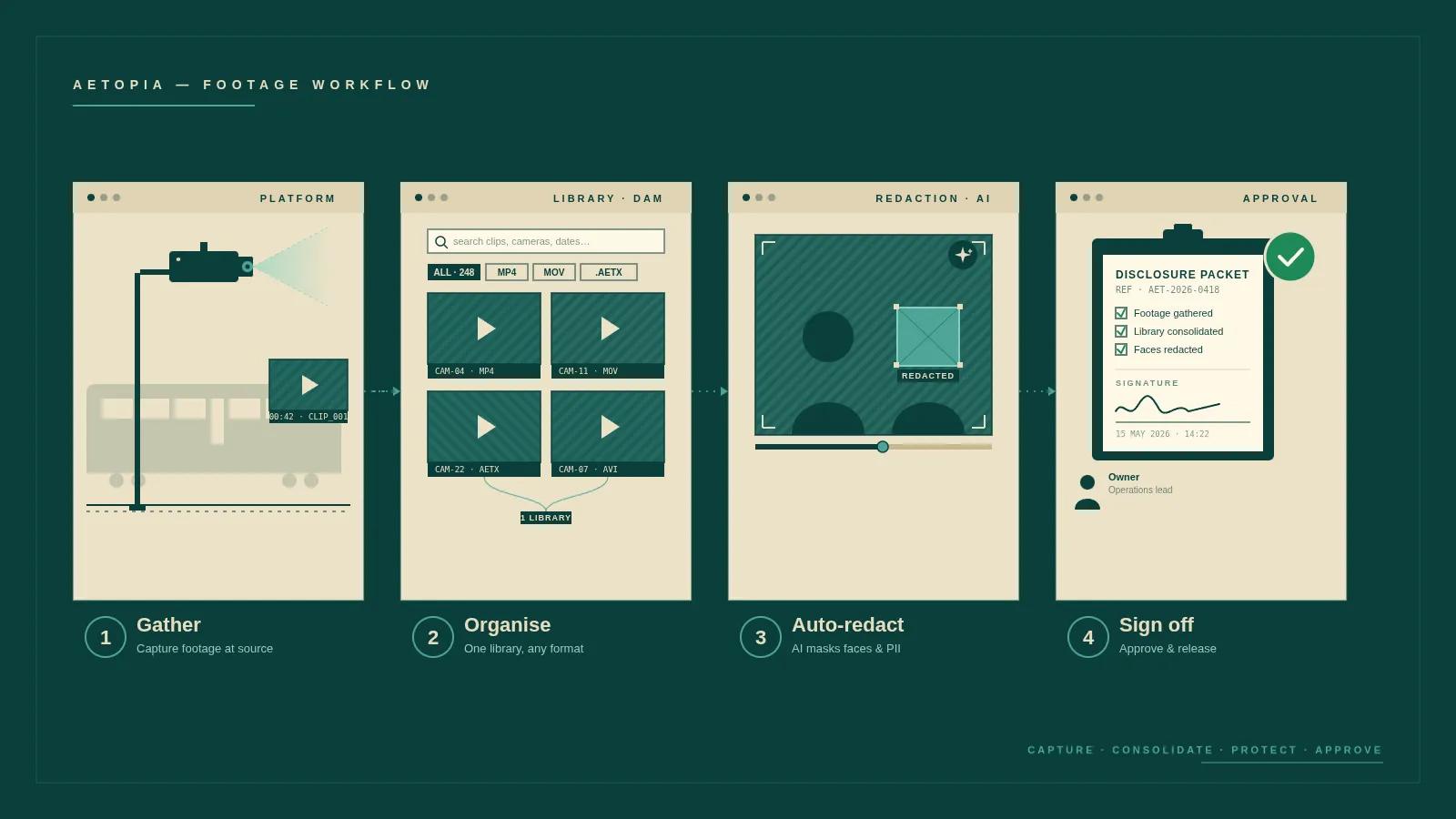
Detect, review, approve, export. One supervised pass.
If you are dealing with CCTV requests in a transport environment, it is worth asking a simple question: how much time is currently being lost in redaction, and what would change if that step was no longer the constraint?
You can see how Aetopia approaches this in practice on the transport sector page.
Working on CCTV disclosure in transport?
Tell us about your footage estate, your request volumes, and where the process is slowing you down. We will walk through AI Redact against a realistic transport disclosure profile and show you what the workflow looks like end to end.